

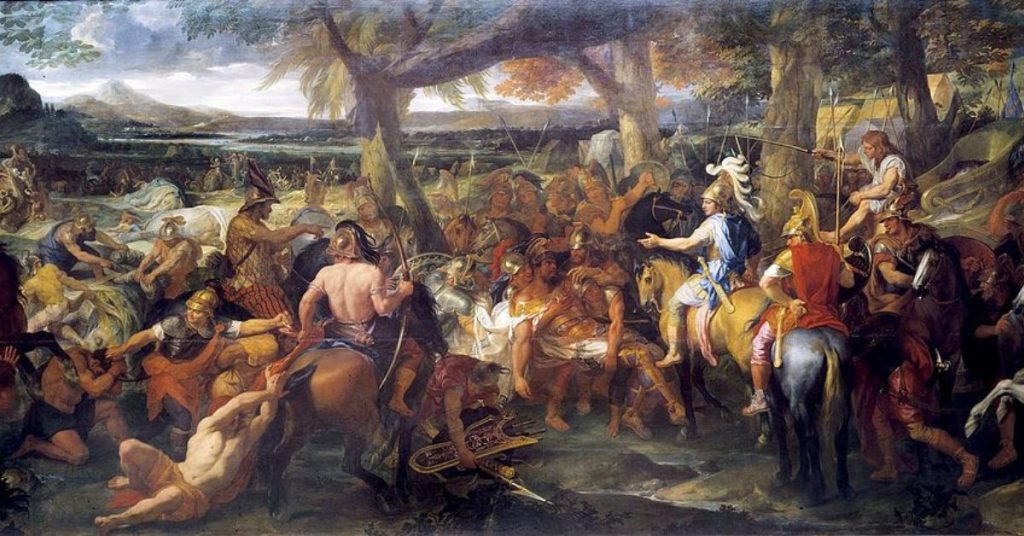
The rise of the Maurya Empire (322–185 BCE) marked the establishment of the first pan-Indian empire in history. Explore the joint efforts of Chandragupta Maurya and Chanakya, the fall of the Nanda dynasty, the Seleucus treaty, the contributions of Bindusara and Ashoka, and the lasting legacy of the Mauryan dynasty.
Introduction: A New Chapter in Indian History
The rise of the Maurya Empire was a turning point in Indian history. By the 4th century BCE, the Indian subcontinent was fragmented into numerous small kingdoms. Out of this instability emerged a young leader — Chandragupta Maurya. He not only defeated a powerful dynasty but also unified almost the entire Indian subcontinent under one empire for the first time.
The Maurya Empire lasted from 322 BCE to 185 BCE. During its 137 years, India witnessed both a strong centralized administration and the spread of Buddhism as a message of peace. Behind this rise stood a brilliant strategist — Chanakya (Kautilya) — whose vision shaped the empire.
This blog explores the causes behind the rise of the Mauryan Empire, its major rulers, key sources, and its historical significance.
Causes Behind the Rise of the Maurya Empire
1. The Sixteen Mahajanapadas and the Rise of Magadha
By the 6th century BCE, 16 major states (Mahajanapadas) dominated North India. Among them, Avanti, Kosala, Vatsa, and especially Magadha emerged as powerful.
- Its fertile Gangetic plain
- Rich iron deposits
- Abundance of elephants
- Strong trade routes
These factors made Magadha the natural base for imperial expansion.
2. The Nanda Dynasty and Its Weakness
Before the Mauryas, the Nanda dynasty ruled Magadha. Its last ruler, Dhana Nanda, commanded a massive army:
- 200,000 infantry
- 80,000 cavalry
- 6,000 war elephants
However, their oppressive taxation and authoritarian rule bred resentment among the people, creating fertile ground for rebellion.
3. The Invasion of Alexander the Great
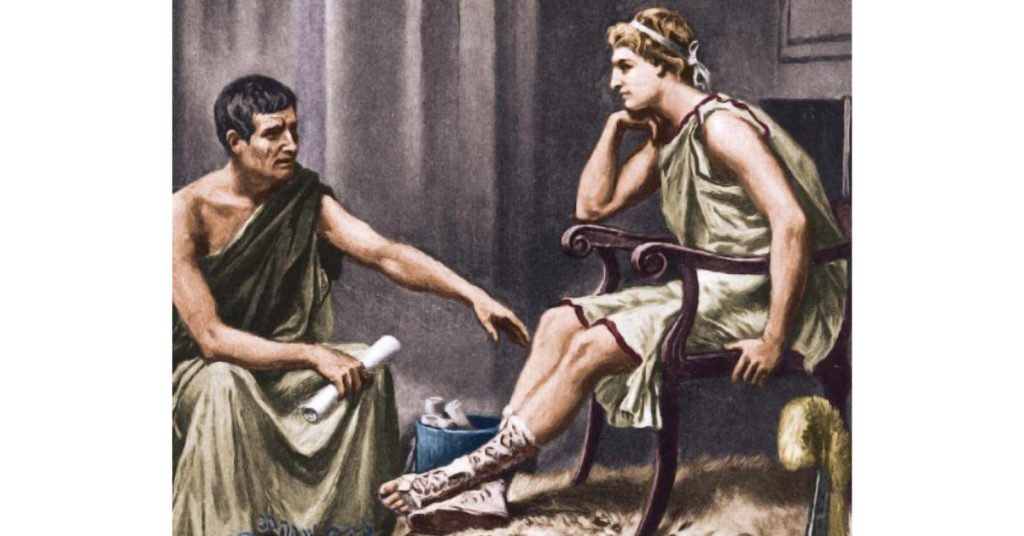
In 326 BCE, Alexander of Macedon invaded India and defeated several northwestern states. However, intimidated by the huge Nanda army, he did not advance further.
After Alexander’s death in 323 BCE, his generals divided the conquered territories, but their rule was weak. This power vacuum enabled Chandragupta’s rise.
🏛️ প্রাচীন বাংলার ইতিহাস: জনপদ থেকে সাম্রাজ্যের গৌরব
4. The Role of Chanakya (Kautilya)
Chanakya, a brilliant teacher from Takshashila University, played a decisive role. Humiliated by the Nandas, he vowed to overthrow them. He discovered and trained Chandragupta Maurya in politics, economics, and military strategy, becoming the mastermind behind the Mauryan rise.
5. Economic & Geographical Advantages
- Fertile Gangetic plains ensured agricultural prosperity.
- Iron resources and elephants strengthened warfare.
- Trade route intersections made Magadha a commercial hub.
Together, these factors paved the way for the Mauryan Empire’s foundation.
Historical Sources of the Maurya Empire
- Arthashastra (by Kautilya): A treatise on governance, economy, and diplomacy.
- Indica (by Megasthenes): An account of Indian society and administration by the Greek ambassador at Pataliputra.
- Mudrarakshasa (by Vishakhadatta): A Sanskrit drama depicting Chandragupta’s rise with Chanakya’s guidance.
- Ashokan Inscriptions: Rock edicts spreading Ashoka’s dhamma (moral code).
- Archaeological Evidence: Excavations at Pataliputra, Northern Black Polished Ware (NBPW), inscriptions, and structures.
Chandragupta Maurya: Founder of the Empire
Defeat of the Nandas
With Chanakya’s strategy, Chandragupta defeated the Nandas. In 321 BCE, at just 20 years old, he captured Pataliputra and became the first Mauryan emperor.
Expansion into the Northwest & Treaty with Seleucus
In 305 BCE, Chandragupta fought Seleucus Nicator, a general of Alexander. Seleucus ceded Afghanistan, Baluchistan, and Kabul to the Mauryas and gave his daughter Helena in marriage. In return, he received 500 war elephants.
Southern Campaigns
Chandragupta extended his rule over much of the Deccan, though Kalinga and Tamil kingdoms remained independent.
Extent of Chandragupta’s Empire:
- East: Bengal
- West: Afghanistan
- North: Kashmir
- South: Deccan Plateau
This was the first true pan-Indian empire.
Bindusara: The Continuity of Empire
Chandragupta abdicated the throne after embracing Jainism, handing power to his son Bindusara (298–272 BCE).
- Known as “Amitraghata” (Slayer of Foes)
- Expanded empire further south, conquering around 16 states
- Faced revolts, notably in Taxila, suppressed by his son Ashoka
Ashoka the Great: From War to Dharma
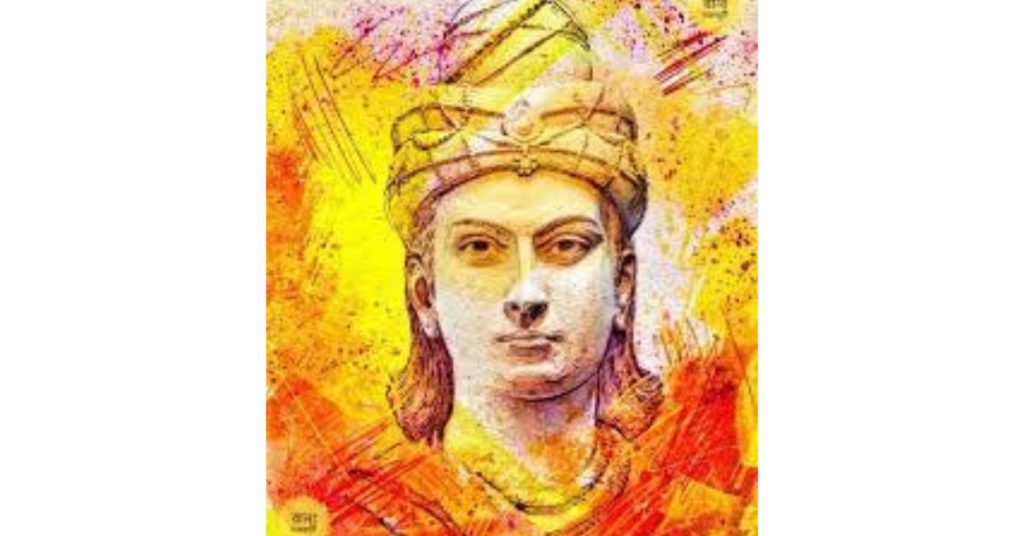
The Kalinga War (261 BCE)
Ashoka (272–232 BCE) expanded the empire to its zenith. However, the Kalinga War was devastating — nearly 100,000 people were killed. Horrified by the bloodshed, Ashoka renounced aggression.
The Policy of Dhamma
- Adopted Buddhism
- Promoted tolerance, morality, and non-violence
- Inscribed his edicts across the empire in Prakrit, Brahmi script
Global Impact
Ashoka sent Buddhist missionaries to Sri Lanka, Nepal, Myanmar, and Southeast Asia. His children, Mahendra and Sanghamitra, spread Buddhism abroad.
Administration, Economy & Culture of the Maurya Empire
Administration
- Centralized government with Pataliputra as capital
- Saptanga theory (seven limbs of the state) in practice
- Efficient taxation and trade regulation
Economy
- Agriculture formed the backbone
- Advances in iron technology and irrigation
- Thriving trade both inland and maritime
Culture
- Use of Brahmi script and Prakrit language
- Flourishing literature and art
- Growth of Buddhist stupas and monuments
Decline and Legacy of the Maurya Empire
After Ashoka’s death, the empire weakened:
- Administrative inefficiency
- Corruption
- Regional revolts
In 185 BCE, the last Mauryan ruler Brihadratha was killed by his general Pushyamitra Shunga, marking the end of the dynasty.
Legacy
- First empire to unify most of India
- Blueprint for centralized administration
- Spread of Buddhism as a global religion
- Ashoka’s dhamma as a symbol of peace and humanity
References
- Wikipedia.org
- Adda247.com
- Histeon.com
- Nobojagaran.com
- Roar.media
- Onushilon.org
- Bibortonpoth.com
- Wikiwand.com
- Wbschool.in
- Exploros.com
- Next IAS (Vision IAS Notes)
- Pressbooks (World History)
- Quora.com


